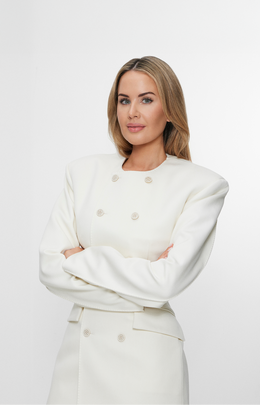
By Alice Henshaw, Aesthetic Specialist, Clinical Innovator & Founder of SKIN|CYCLES
The Question Nobody Is Asking Properly
Walk into any pharmacy and you will find dozens of sheet masks sitting side by side: cotton, microfibre, hydrogel, bio-cellulose. The packaging makes sweeping claims. The marketing is polished. But how many of those masks have been designed by someone who has spent years watching the skin of real patients change after real clinical procedures?
I have. In over a decade practicing at Harley Street Injectables, I have seen precisely what happens when a patient walks out of the clinic after dermal fillers, Botox, a chemical peel or microneedling and then applies a drugstore cotton mask at home. More often than not, the serum in that mask evaporates before it reaches the dermis, the sheet sags off the face within minutes, and the treatment investment begins to erode.
The substrate you put against your skin matters. Not in a marginal, incremental way. In a biologically meaningful way that has been studied in published dermatological and pharmaceutical literature. The fibre diameter, porosity, occlusive capacity and water-holding characteristics of a mask material determine whether active ingredients sit on the surface of your skin or are transported into it.
This is not a marketing claim. It is material science. And after years of searching for products that aligned with what I was doing clinically, the absence of anything genuinely fit for purpose is what led me to build SKIN|CYCLES.
The substrate you put against your skin matters. Not in a marginal, incremental way. In a biologically meaningful way.
What Substrate Science Actually Means for Your Skin
When we talk about a sheet mask substrate, we are describing the physical scaffold that holds the serum against your face. The substrate has three jobs: retain as much active serum as possible, maintain consistent contact across every contour of the face, and create sufficient occlusion to drive ingredient penetration into the epidermis.
The three key material variables that determine how well a substrate achieves these jobs are:
-
Fibre diameter: finer fibres create more surface area contact with the skin, meaning more serum-to-skin transfer.
-
Water-holding capacity: the ability of the material to retain aqueous serum without evaporating it off before penetration occurs.
-
Occlusive effect: the degree to which the mask prevents transepidermal water loss (TEWL) and raises local skin temperature, both of which soften the stratum corneum and encourage ingredient absorption.
Research published in peer-reviewed pharmacology literature confirms that bacterial (bio) cellulose membranes demonstrate excellent skin compatibility under occlusion and provide a statistically significant moisturising effect compared to standard controls, with good tolerance across volunteers in clinical trials. [PubMed, PMID: 23973717] The significance here is that bio-cellulose is not simply a cosmetic upgrade. It is a material that has been rigorously studied as a vehicle for topical and transdermal delivery precisely because its physical architecture is uniquely suited to skin contact.
Cotton Sheet Masks: Accessible, but Scientifically Limited
Cotton has a fibre diameter of approximately 10 to 20 microns. It is breathable, widely available and inexpensive to manufacture. For many years it was the industry default, and it remains the dominant category in the global sheet mask market, which Grand View Research projects will reach $605.7 million by 2030.
The limitation of cotton is not that it fails to deliver any benefit. It is that it delivers considerably less benefit than is possible, and it does so at a cost to active ingredients. Cotton fibres have relatively poor water retention compared to bio-cellulose. As the mask sits on the face, the serum begins to evaporate through the porous structure. Estimates from mask technology testing put serum evaporation from fabric masks at approximately 27%, compared to around 8% for bio-cellulose masks. That is more than three times the ingredient loss before your skin has had a chance to absorb it.
Cotton also cuts and fits imperfectly. The face is not flat. The contours around the nasolabial folds, the undereye area and the bridge of the nose mean that a flat cotton sheet will inevitably create air gaps. Where there is an air gap, there is evaporation and zero occlusion. This is not a minor cosmetic issue. It is a fundamental flaw in the delivery architecture.
For daily general skincare use, a quality cotton mask with a well-formulated serum can provide a pleasant, hydrating experience. For anyone serious about post-treatment recovery or targeting a clinical skin concern, it is the wrong tool.
Microfibre Masks: Better Fit, but an Ecological Problem
Microfibre masks represent an improvement on cotton in terms of fibre diameter, typically ranging from 2 to 5 microns. The finer fibres allow for better conformance to facial contours and modestly improved ingredient delivery compared to standard cotton non-woven materials.
The problem with microfibre is twofold. First, most microfibre used in sheet masks is synthetic, meaning it is derived from petroleum-based polymers such as polyester or nylon. These materials are not biodegradable. In a category that by definition produces single-use waste, this is an environmental liability that is increasingly difficult to justify. At SKIN|CYCLES we hold Positive Luxury ESG+ certification and PETA cruelty-free and vegan status, and our supply chain commitments make synthetic single-use substrates incompatible with our values.
Second, while microfibre is softer than cotton, it does not possess the unique three-dimensional nano-fibre structure of bio-cellulose. It cannot replicate the same degree of occlusion or the extraordinary water-holding capacity that makes bio-cellulose the clinically preferred substrate for post-procedure skin.
Silk Masks: Luxury Texture, Moderate Efficacy
Natural silk has genuine merits. Its fibre diameter of approximately 10 to 12 microns and its smooth surface create a comfortable wearing experience, and silk is biodegradable. The protein structure of silk (fibroin) is biocompatible with skin and it sits comfortably in a luxury positioning. For clients who prioritise texture and eco-credentials, silk is a meaningful step above synthetic alternatives.
The practical limitation of silk is that its occlusive properties, while superior to cotton, remain significantly below what bio-cellulose achieves. It also carries a cost premium that, on a per-mask basis, makes it difficult to justify when the clinical evidence points clearly to bio-cellulose as the superior substrate for ingredient delivery. Silk can serve a role in a maintenance masking ritual for clients whose skin is in good health. For anyone in a post-treatment recovery window or dealing with significant dehydration or barrier disruption, it is not the optimal choice.
Substrate Comparison at a Glance
Key properties across the four primary sheet mask materials:
|
Substrate
|
Fibre Diameter
|
Water Retention
|
Occlusion
|
Biodegradable
|
Best For
|
|
Cotton / Non-woven
|
10-20 microns
|
Low to moderate
|
Poor
|
Partly
|
Budget, general use
|
|
Microfibre (synthetic)
|
2-5 microns
|
Moderate
|
Moderate
|
No
|
Soft texture, daily use
|
|
Silk
|
10-12 microns
|
Moderate
|
Moderate
|
Yes
|
Luxury feel, sensitive skin
|
|
Bio-cellulose
|
0.02-0.04 microns
|
Up to 100x dry weight
|
Superior
|
Yes
|
Post-treatment, deep hydration
|
Bio-Cellulose: The Material That Changes the Conversation
Bio-cellulose is produced through the fermentation of specific bacterial strains, most commonly from coconut water. During fermentation, the bacteria weave an ultra-fine network of cellulose fibres with a diameter of approximately 20 to 40 nanometres. To put that in context: bio-cellulose fibres are roughly 350 times finer than those found in standard fabric masks, and approximately 1,000 times finer than a human hair.
This is not a footnote. It is the entire reason bio-cellulose performs differently.
Those ultra-fine fibres create three structural advantages that no other mask substrate currently replicates:
-
Near-perfect facial conformance: the nano-fibre network adapts to every contour of the face, including the notoriously difficult zones around the nose, under the eyes and along the jaw. Air gaps are effectively eliminated.
-
Extraordinary water retention: bio-cellulose can hold up to 100 times its own dry weight in fluid. This means a single bio-cellulose mask contains significantly more serum per gram than a cotton equivalent, and it releases that serum progressively over the wearing period rather than shedding it quickly through evaporation.
-
Superior occlusion: the tight, almost membrane-like adhesion of bio-cellulose to the skin creates an occlusive environment that raises localised skin temperature slightly, softens the stratum corneum and drives ingredients downward into the epidermis. Research in bacterial cellulose drug delivery systems published in ScienceDirect confirms that BC-based systems reduce first-pass evaporation while improving controlled release and ingredient penetration through the skin barrier.
Bio-cellulose is also fully biodegradable, making it compatible with genuine sustainability commitments rather than greenwashing claims.
Bio-cellulose fibres are approximately 350 times finer than those in standard fabric masks. That is not a refinement. That is a different category of material entirely.
Active Transportation: What Occlusion Actually Does Inside Your Skin
The term 'active transportation technology' can sound like marketing language. In the SKIN|CYCLES Bio-Cellulose Mask, it describes a specific physical mechanism with a clear biological basis.
When a bio-cellulose mask is applied to clean skin, several things happen simultaneously. The nano-fibre structure seals to the skin surface, cutting off the normal route by which moisture evaporates away from the face (transepidermal water loss). This creates a localised increase in humidity and a mild rise in skin surface temperature. Both of these effects are well-documented in dermatology as mechanisms that increase the fluidity of lipids in the stratum corneum and temporarily widen the intracellular pathways through which topical ingredients can travel.
In practical terms, this means ingredients are not simply sitting on top of the skin waiting to be absorbed by passive diffusion. The occlusive environment created by the bio-cellulose substrate actively draws them downward. The TGHA4® technology in SKIN|CYCLES formulations takes advantage of this window by delivering active ingredients encapsulated in liposomes, which are microscopic lipid spheres that further assist penetration through the skin barrier.
The process is bidirectional, which is an important nuance. While the mask drives ingredients in, it also allows the skin to release carbon dioxide and waste gases outward through the permeable fibre network. This is why bio-cellulose, despite its occlusive properties, does not feel suffocating or cause the kind of congestion that fully occlusive dressings can produce. The skin breathes. It simply breathes under optimised conditions.
What Is Inside the SKIN|CYCLES Masks: Ingredients That Work With the Substrate
A superior substrate paired with an underdeveloped formula achieves very little. This is why the formulation choices within SKIN|CYCLES masks matter as much as the bio-cellulose material itself.
Bio-Cellulose Mask
The SKIN|CYCLES Bio-Cellulose Mask carries several actives selected specifically to perform in a post-occlusion delivery environment:
-
Palmitoyl Hexapeptide-12: a collagen-stimulating signal peptide. Peptides in this class communicate with fibroblasts to upregulate collagen and elastin synthesis. In post-treatment skin where the extracellular matrix has been temporarily disrupted, this peptide provides the signalling cue for structured repair rather than inflammatory repair.
-
Sodium Hyaluronate (multi-molecular-weight): the serum uses both high and low molecular weight forms of sodium hyaluronate. High molecular weight HA forms a surface film that prevents evaporative water loss. Low molecular weight HA penetrates more deeply into the epidermis to hydrate from within. The combined action means hydration occurs at multiple levels of skin depth simultaneously.
-
Wild Yam Extract: a natural source of diosgenin, which has documented anti-inflammatory properties relevant to post-treatment redness and barrier disruption.
-
Rice Bran Extract: rich in gamma-oryzanol and ferulic acid, both of which are antioxidant compounds that protect against the free radical activity that accompanies any form of skin trauma, whether environmental or procedural.
-
TGHA4® liposome encapsulation: the proprietary delivery system that provides controlled release of actives, improved stability and reduced irritation potential compared to unencapsulated ingredient delivery.
Eye Matrix Mask
The Eye Matrix Mask applies the same bio-cellulose substrate principle to the periocular zone with a formulation adapted for the unique demands of the eye area. Key actives include Acetyl Hexapeptide-8 (a relaxing peptide targeting expression lines), Acetyl Tetrapeptide-5 (clinically studied for reduction of undereye puffiness), Glutathione (a master antioxidant with brightening properties), Rosa Damascena Flower Oil and Retinol at a concentration appropriate for the delicate eye skin. Post-injectable patients often experience periocular swelling for 48 to 72 hours after treatment. The Eye Matrix Mask specifically addresses this window.
Day-by-Day: Post-Treatment Protocol for Mask Usage
One of the most common questions I hear from patients at Harley Street Injectables is: what should I be doing at home after my treatment? Generic aftercare instructions rarely address this with enough specificity. Below is the protocol I recommend, based on clinical experience with thousands of treatment cases.
|
Day
|
Post-Fillers / Botox
|
Post-Chemical Peel
|
Post-Laser / Needling
|
|
Day 0(Same day)
|
Apply Bio-Cellulose Mask immediately post-treatment; leave 20 mins to soothe and reduce swelling.
|
Cleanse gently; no mask. Let skin stabilise.
|
In-clinic bio-cellulose mask application recommended.
|
|
Day 1-2
|
Bio-Cellulose Mask morning or evening. Avoid active ingredients. SKIN|CYCLES Squalane Cream Cleanser only.
|
Light Bio-Cellulose Mask if no open peeling. Avoid acids.
|
Bio-Cellulose Mask twice daily if tolerated. Gentle cleanser only.
|
|
Day 3-5
|
Continue Bio-Cellulose Mask daily. Introduce 5D HA serum. Use Eye Matrix Mask for periocular swelling.
|
Introduce Bio-Cellulose Mask as peeling subsides. Avoid exfoliants.
|
Reduce to once daily. Begin 5D HA. Eye Matrix Mask as needed.
|
|
Day 6-14
|
Mask every other day. Resume core routine. Introduce ExoYouth Sleep Mask overnight.
|
Mask every 2 days. Resume actives gradually. ExoYouth Sleep Mask nightly.
|
Alternate daily masking. Full routine resume at Day 10+. ExoYouth Sleep Mask.
|
|
Week 3+
|
Mask 2x weekly for maintenance. Assess results.
|
Mask 2x weekly for brightening maintenance.
|
Mask 2x weekly. Results consolidation phase.
|
A note on what to avoid in the post-treatment window: Retinoids, AHAs, BHAs and vitamin C at high concentrations should not be applied to actively compromised skin. Equally, sheet masks containing fragrance, alcohol or known irritants can exacerbate post-procedure inflammation. The bio-cellulose substrate itself is hypoallergenic, and the SKIN|CYCLES formulation is free from fragrance and unnecessary irritants. This matters most in the first 72 hours, when the skin barrier is at its most vulnerable.
The 20 minutes you spend with a bio-cellulose mask in the days following a procedure is not a pampering ritual. It is an active phase of your clinical recovery.
How Often Should You Actually Use a Sheet Mask?
Frequency guidance is another area where most content falls short. The answer is not a single number. It depends entirely on the current state of the skin.
|
Skin State
|
Frequency
|
Recommended Mask
|
Expected Outcome
|
|
Post-treatment (0-14 days)
|
Daily or twice daily
|
Bio-Cellulose Mask
|
Reduced redness, swelling, accelerated barrier repair
|
|
Dehydrated / compromised
|
Every 2-3 days
|
Bio-Cellulose Mask + Eye Matrix Mask
|
Restored moisture levels within 7-10 days
|
|
Maintenance (healthy skin)
|
2x weekly
|
Bio-Cellulose Mask
|
Sustained glow, plumpness, long-term collagen support
|
|
Mature / ageing skin
|
2-3x weekly
|
Bio-Cellulose + ExoYouth Sleep Mask
|
Improved elasticity, reduced fine lines over 4-6 weeks
|
There is no risk of over-hydrating healthy skin with bio-cellulose masks used daily, provided the formulation is appropriately pH-balanced and free from occlusive ingredients that could block pores. However, daily use beyond the post-treatment recovery phase is typically unnecessary for clients with well-maintained skin. Two to three times per week provides consistent long-term benefit without habituation.
What to Expect and When
Results from bio-cellulose masking accumulate in layers, and being specific about the timeline helps clients use their masks with intention rather than hope.
After the first session, almost all clients notice an immediate improvement in skin plumpness and a visible reduction in surface dehydration lines. This is largely the result of surface hydration and the occlusive effect. Skin looks more luminous within 20 minutes of mask removal.
After one to two weeks of regular use (three to five times per week), clients typically report a sustained improvement in skin texture and a reduction in the tightness or discomfort associated with post-treatment barrier disruption. The low molecular weight HA is contributing at this stage, as is the cumulative anti-inflammatory effect of wild yam and rice bran.
After four to six weeks of consistent use at maintenance frequency (two to three times weekly), the peptide activity of Palmitoyl Hexapeptide-12 begins to produce visible changes in skin firmness and fine line depth. Collagen remodelling is a slow process by biology, but it is measurable and clients consistently report visible improvement in the perioral and lateral cheek areas over this timeframe.
For clients looking to build a structured kit around their masking routine, the Winter Radiance Kit includes the Bio-Cellulose Mask alongside complementary treatments, and the ExoYouth Sleep Mask is an excellent overnight complement to daytime bio-cellulose masking, extending the repair window while you sleep through its oligopeptide and advanced antioxidant complex.
Beyond the Mask: The SKIN|CYCLES Philosophy
Building SKIN|CYCLES was not a decision to enter the beauty industry. It was a clinical response to a gap I could not find another solution for. The products that existed were either too passive, too unstable or too superficial to support what my patients needed in the days and weeks between clinic visits.
The bio-cellulose mask represents what I believe at-home skincare should aspire to: a product whose material properties and active formulation are genuinely calibrated to one another, designed to deliver a clinical-grade result in a domestic setting. The substrate is not a container for the serum. The substrate is part of the treatment.
Alongside the Bio-Cellulose Mask, several other products in the range play a supporting role in comprehensive skin maintenance: 5D HA provides five molecular weights of hyaluronic acid in a standalone serum format; Revive Eyes targets the periocular area with a targeted treatment cream; and the Squalane Cream Cleanser provides a non-stripping cleanse that preserves barrier integrity before masking.
Every product in this range was developed with a specific understanding of what the skin needs at each phase of its cycle. That is the principle that gives SKIN|CYCLES its name, and it is what distinguishes clinical skincare from cosmetic skincare.
The Bottom Line
If you are choosing a sheet mask on the basis of packaging or price, you are choosing the wrong variable. The substrate determines how much of what you paid for actually reaches your skin.
Bio-cellulose, with its nano-scale fibre diameter, its extraordinary serum retention capacity and its ability to generate a clinically meaningful occlusive environment, is not simply a premium alternative to cotton. It is a different category of technology, supported by peer-reviewed research and decades of medical application in wound care.
Paired with an intelligently formulated serum, TGHA4® liposome delivery and a day-by-day protocol calibrated to what your skin has actually been through, it becomes one of the most effective tools in at-home clinical skincare available today.
The substrate is not a container for the serum. The substrate is part of the treatment.
Explore the full SKIN|CYCLES mask range at skincycles.com/masks. If you have questions about which products are right for your skin type or post-treatment phase, our skin quiz at skincycles.com provides personalised guidance.
Alice Henshaw
RN · NMP · Founder of SKIN|CYCLES & Harley Street Injectables
Alice is the founder of SKIN|CYCLES, a cosmeceutical skincare range formulated around the proprietary TGHA4® peptide complex and sold at Harrods, Liberty and Harvey Nichols. She is also the founder and medical director of Harley Street Injectables, the largest clinic on Harley Street dedicated exclusively to non-surgical aesthetic treatments. A qualified nurse prescriber registered in the UK, Australia and New Zealand, Alice is a Key Opinion Leader for Allergan Aesthetics, was named Best Aesthetic Injector in London by the GHP Awards, and has been featured in Vogue, Tatler, Vanity Fair, and the Tatler Cosmetic Surgery Guide.
To explore the SKIN|CYCLES range, visit skincycles.com. To book a consultation at Harley Street Injectables, visit harleystreetinjectables.com or call +44(0) 3455 485 658.
References & Further Reading
Scientific & Clinical Sources
1. Bacterial cellulose membranes as drug delivery systems: in vivo skin compatibility study (PubMed, PMID 23973717)
2. Bacterial cellulose in transdermal drug delivery systems: ScienceDirect Review
3. Bacterial cellulose-based composites as vehicles for dermal and transdermal drug delivery
4. Grand View Research: Sheet Face Mask Market Size to Reach $605.7Mn by 2030